


Velora Beat: Light Echo
4.43.00 Reviews
App Specs
- Version
- 3.1.2
- Updated On
- License
- Free
- Downloads
- 10,000+
- Developer
- StudioXapps
- Categories
- Music
- Platform
- Android
Screenshots
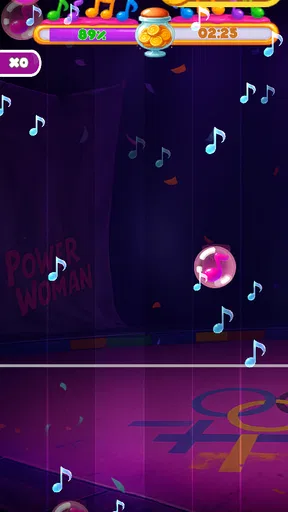
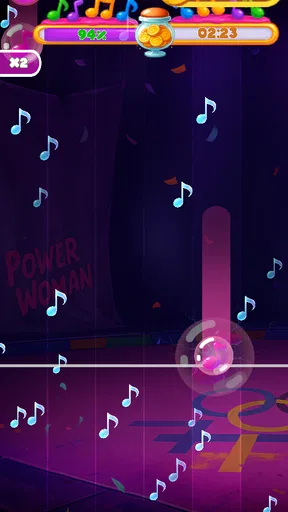
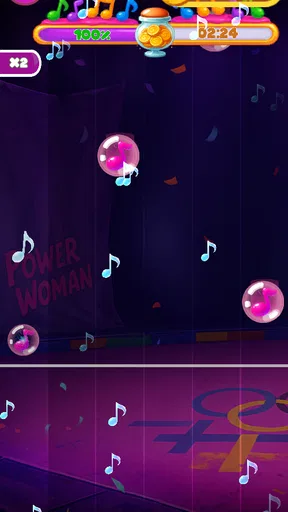
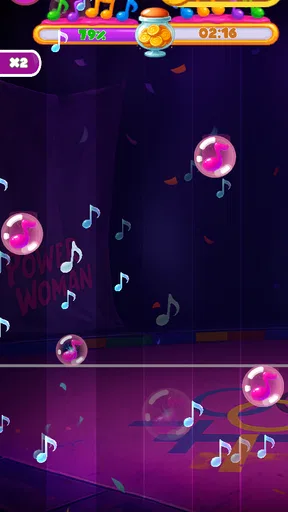
 Analysis by AppCompare
For a rhythm game, the first few sessions can be all it takes to tell whether tapping along feels satisfying or like another task to keep up with. Velora Beat: Light Echo is built around following music with taps and swipes, so it has an immediate appeal if you enjoy turning a spare moment into a quick test of timing. I’d approach it as a casual music game rather than a replacement for a serious rhythm-game challenge: its strongest promise is an easy-to-understand loop, while its lasting value depends on whether you keep enjoying the music and replaying tracks.
The Gameplay Hook
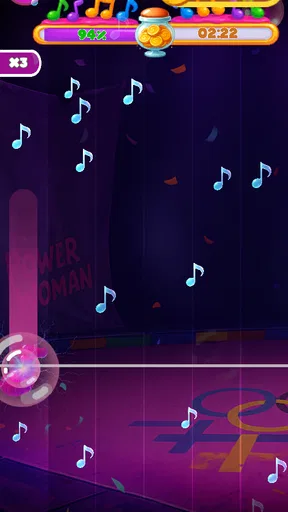
From the moment you fire up Velora Beat: Light Echo, you’re greeted with vibrant colors and an electrifying soundtrack that sets the tone for what’s to come. The gameplay is straightforward yet addictively fun. You follow along with the beat, tapping and swiping in sync with the music. Sounds easy, right? Well, it starts that way, but as you progress, the game throws in some wicked twists to keep you on your toes.
What really hooked me was the dynamic difficulty adjustment. The game adapts to how well you’re doing, ensuring that you’re always challenged but never overwhelmed. I found myself lost in the rhythm, trying to perfect my moves with each track.
That quick-to-grasp format suits a short break better than a game that asks you to learn a long sequence of rules first. I can imagine opening it while waiting for a bus or taking a pause between chores, playing a track, then deciding whether I have time for another. For a fair test, though, I’d use headphones and a quiet moment: rhythm games depend on hearing the beat clearly, and noisy surroundings can make a timing challenge feel harder than it is.
Visuals and Soundtrack
Let’s talk about the visuals. They are downright stunning! The neon graphics and pulsating shapes create an immersive experience that feels almost like a dance party for your fingers. Each level comes with its own unique visual theme, which keeps things fresh and exciting.
Now, onto the soundtrack—it’s a banger! The game features a wide variety of tracks, covering different genres, so there’s something for everyone. Whether you’re into EDM, pop, or something more eclectic, you’ll find tracks that resonate with your musical taste. The music isn’t just background noise; it’s a core part of the gameplay, and it’s done exceptionally well.
The visual energy is a good fit when I want a lively, focused session, but it may not suit every situation. If I’m playing somewhere bright or busy, strong colors and motion can compete for attention rather than help me settle into the beat. I’d treat it as a game to look at while playing, not one to leave running in the background. That distinction matters for anyone who wants a low-key music companion: a playlist is better for listening without interaction, while this works when I’m ready to watch, react, and play.
Worth Reading Before You Choose

Flipboard Shows What News Apps Must Do Beyond the Feed

Switching to Android Auto Means Rethinking Your Driving Routine

Google Calendar Makes a Crowded Week Easier to Manage

Ludo King Makes the Most of the Minutes Between Plans

Baby Panda World Brings Quick Play to Modern Phones, but Its Game Library Feels Busy

ESPN’s Live Game View Makes Following Close Games Easier
Features That Stand Out
One of the standout features of Velora Beat: Light Echo is the custom track creator. This allows you to upload your own music and create levels based on your favorite songs. I had a blast experimenting with this and seeing how my own music library could be transformed into an interactive experience.
Additionally, the game offers a multiplayer mode where you can challenge friends or other players worldwide. This adds a competitive edge that kept me coming back for more. There’s also a leaderboard system to track your progress and compete for top spots.
The creator is a meaningful reason to return, but it also changes what “more music” means here. A track you already know can be fun to play, yet familiarity alone doesn’t guarantee that a custom level will feel as polished or satisfying as a built-in one. I’d use it as an experiment rather than assume every song will become a great stage. If you enjoy tinkering, try a few different kinds of music and keep the ones that produce readable, enjoyable patterns; if you mainly want a carefully curated set of songs, a conventional rhythm game with a fixed track selection may be a better match.
Multiplayer and leaderboards give score-chasers a reason to revisit a track after learning its rhythm. They’re less important if you prefer to play privately or don’t care about rankings. I’d decide what makes a session fun before treating a leaderboard as a goal: improving a personal run can be rewarding without turning every song into a contest. That’s a useful way to keep the game from feeling like homework once the initial novelty wears off.
Learning Curve and Replayability
As with any rhythm game, there’s a bit of a learning curve. Initially, I fumbled through a few tracks, but once you get the hang of it, you’ll find yourself improving quickly. The game does a great job of rewarding persistence, which adds to its replayability.
Each track has multiple difficulty levels, so even after mastering a song, there’s still more to conquer. I found myself replaying tracks just to beat my previous scores and climb the leaderboards.
In terms of replay value, the custom track feature and multiplayer mode ensure that there’s always something new to explore. You’re not just limited to the in-game tracks, which is a huge plus for music lovers.
For a practical routine, I’d choose one track I like and replay it with a specific aim—cleaner timing, a higher score, or simply getting through a tougher setting—rather than jumping between songs without a reason. That makes improvement easier to notice and keeps a brief session focused. If a track starts to feel tiring, switching to a different sound or taking a break is likely more enjoyable than repeatedly forcing a perfect run.
There is a trade-off in that loop. Multiple difficulty levels and player scores can stretch the life of a song, but they don’t automatically make its music more appealing. If you tire of the available sound or don’t find custom creation rewarding, replaying for incremental gains may lose its pull. Players who want a constantly changing catalogue or a deep progression campaign should compare it with other rhythm games before committing their time.
Practical Fit and Everyday Use
In the wider music-game category, this sits closer to a hands-on rhythm challenge than to a music player or a passive audiovisual toy. A playlist lets me pick songs and listen without needing my eyes or fingers; a more demanding rhythm title may be preferable when I want a highly structured test of timing. Here, the appeal is the blend of quick taps, colorful presentation, and the option to try making levels from music I already enjoy.
A realistic use case is a short evening break: I can play a familiar track, try to improve my result, and stop when I’ve had enough. Someone who likes small, repeatable goals may find that more appealing than a long session. On the other hand, I wouldn’t recommend it as a distraction during a commute that needs attention, or when the phone is being used for something else. The game asks me to watch the screen and react to the music, so it’s best treated as active play.
For families, its Everyone age rating makes the intended audience broad, but the most useful question is still whether the person playing enjoys timing-based challenges and bright presentation. It is free to download, with optional in-app purchases ranging from $0.49 to $99.99 per item. I’d check purchase prompts carefully, especially if a child will play, and decide in advance whether spending anything is part of the plan. A free starting point is appealing, but optional purchases can change how comfortable the experience feels for someone who wants to avoid extra spending.
StudioXapps released the game on October 12, 2020, and its current version is 3.1.2, with Android 8.0 as the minimum operating-system requirement. It has an average rating of 4.4 from 105 ratings, and 10K+ installs. Those figures suggest that it has found an audience, but they don’t tell me whether its music or competitive elements will suit a particular player; taste and play style matter more here.
Keeping the Rhythm Fresh
The ongoing maintenance burden seems light in the ordinary sense: this is a game to open when I want to play, not a tool that needs a daily routine to be useful. The bigger question is personal upkeep. If I use custom tracks, I need to spend a little time choosing music and experimenting instead of expecting every session to supply something new automatically. That creative step is part of the fun for some players and friction for others.
I’d also avoid making score chasing the only reason to return. A small goal—one song, one more attempt, then stop—helps preserve the casual appeal. If improvement is the point, changing difficulty deliberately is more useful than repeating a level without noticing what went wrong. And if the visual intensity or a particular track is wearing thin, taking a break is a sensible choice; a rhythm game should feel energizing, not like an obligation.
The clearest fatigue risk is repetition. Replaying familiar music can sharpen timing, but the same track can lose its charm if every visit becomes a demand to beat an old score. Custom levels and multiplayer can help vary the experience, yet neither is a guarantee that the game will stay fresh for someone who wants new official songs or a deeper long-term progression structure. For that kind of player, a different rhythm title may hold attention better.
Final Thoughts
Overall, Velora Beat: Light Echo delivers a rhythm game experience that’s both thrilling and rewarding. It’s a game that invites you to lose yourself in the music while challenging you to sharpen your skills. The combination of stunning visuals, a killer soundtrack, and engaging gameplay mechanics makes this app a must-try for anyone who loves music and gaming.
So, if you’re looking for a new game to get lost in, why not give it a download? Trust me, your fingers will be dancing to the beat in no time!
My longer-term recommendation is more specific: try it if you like short, repeatable rhythm sessions, enjoy competing for better scores, or are curious about turning personal music into a playable challenge. Be more cautious if you want a quiet listening app, a guaranteed stream of fresh content, or a game that stays compelling without replaying songs. I’d give it space on my phone if I found myself reaching for it during ordinary breaks, not just because its bright first impression is fun. That habit—not the novelty—is what would make it worth keeping.
Pros
- Intuitive interface for easy navigation.
- Stunning graphics enhance gameplay experience.
- Customizable soundtracks add personalization.
- Engaging levels keep players hooked.
- Regular updates with fresh content.
Cons
- Requires constant internet connection.
- Can drain battery quickly during play.
- In-app purchases can be expensive.
- Ads may interrupt gameplay frequently.
- Limited offline functionality.
FAQs for Velora Beat: Light Echo
What is Velora Beat: Light Echo and how does it work?
Velora Beat: Light Echo is a rhythm-based game that challenges players to tap, swipe, and hold to the beat of the music. As you progress through various levels, the gameplay becomes more complex, requiring quick reflexes and precise timing. The vibrant visuals and dynamic soundtracks enhance the immersive experience, making it highly engaging.
Is Velora Beat: Light Echo available on both Android and iOS platforms?
Yes, Velora Beat: Light Echo is available for download on both Android and iOS devices. Users can find it on the Google Play Store and the Apple App Store. Ensure your device meets the minimum system requirements for optimal performance and an uninterrupted gaming experience.
Are there in-app purchases in Velora Beat: Light Echo?
Velora Beat: Light Echo does offer in-app purchases. Players can buy additional tracks, power-ups, and cosmetic items to enhance their gameplay. While these purchases can enrich your experience, they are entirely optional, and players can still enjoy the core features without spending money.
What are the minimum system requirements for Velora Beat: Light Echo?
For Android users, a device running Android 6.0 or higher is recommended, with at least 2GB of RAM. iOS users should have a device running iOS 11 or later. Adequate storage space is also necessary for downloading additional content and updates, ensuring smooth gameplay.
Can I play Velora Beat: Light Echo offline?
Velora Beat: Light Echo does offer offline play for most of its core modes. However, certain features, such as downloading new tracks or accessing leaderboards, require an internet connection. It's best to connect periodically to enjoy all the features and keep the game updated.


